
Vegas
Las Vegas in Color
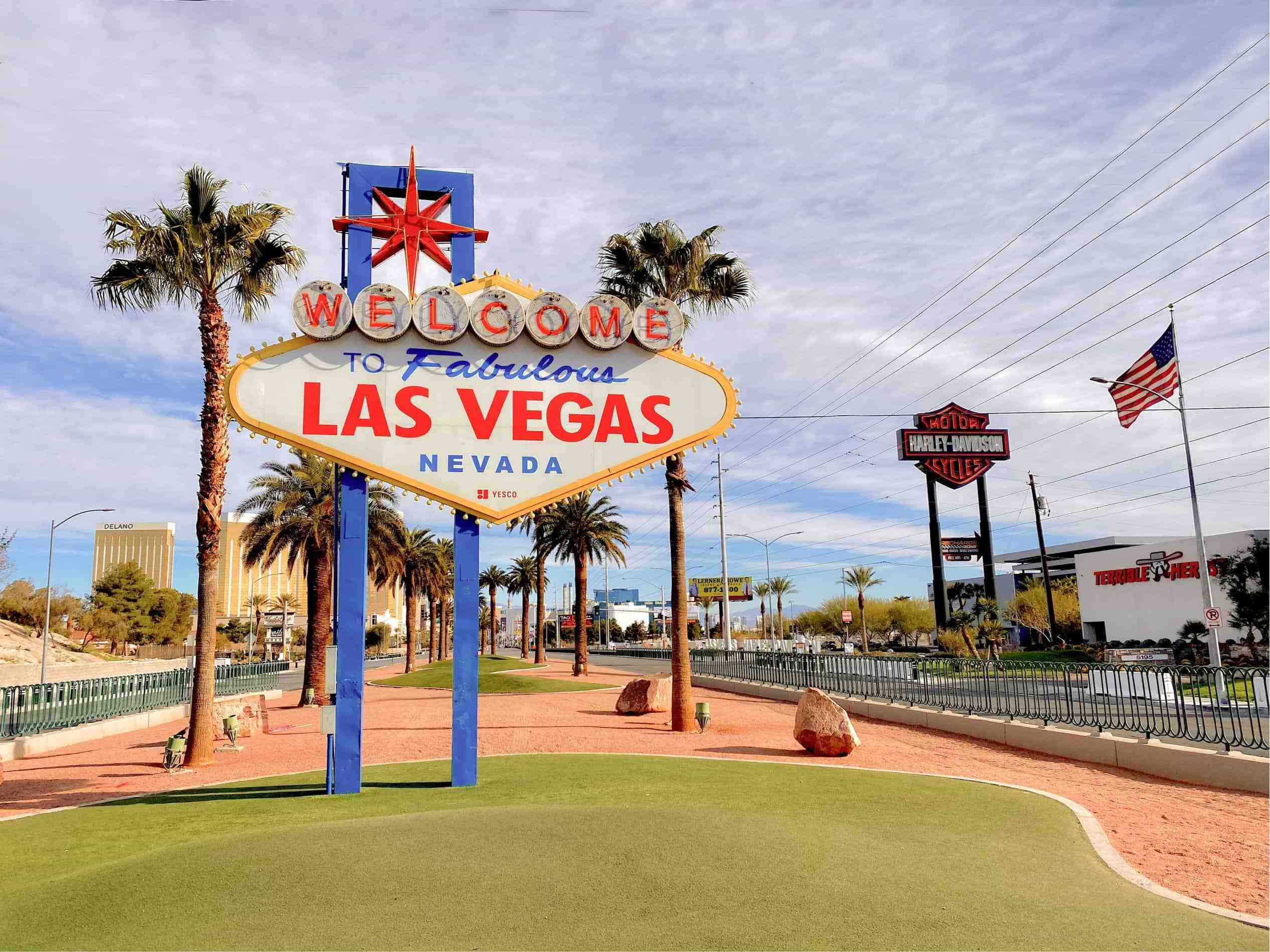
In a city with almost as many roulette tables as African American-owned businesses, it’s always easy to bet on Black here in Las Vegas.
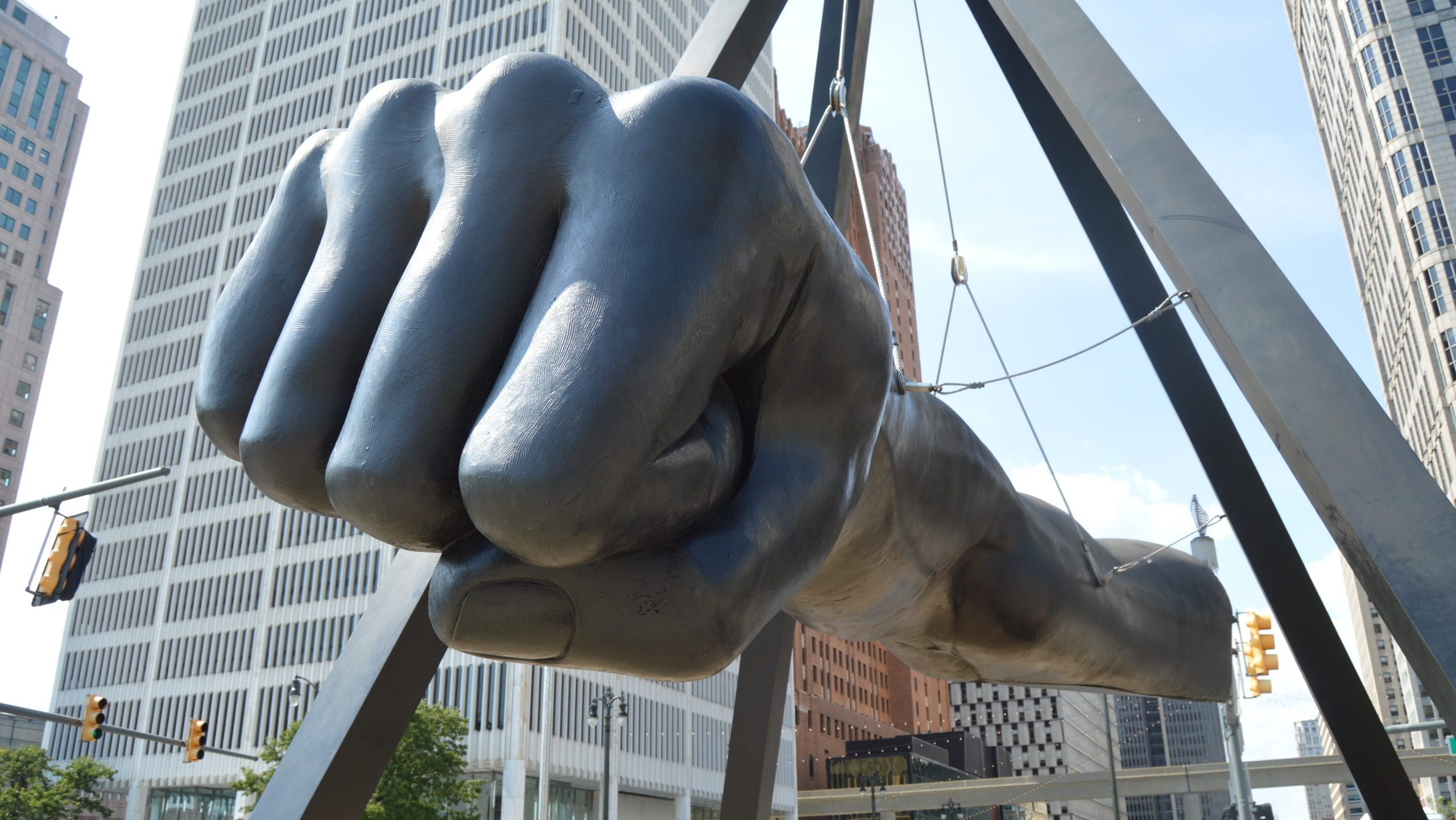
From the architecture to the artists in residence, both the skyline and headliners of this entertainment capital are defined by Black contributions. Originally, Black artists like Nat King Cole and Lena Horne were barred from staying in the very hotels where they performed, despite having sold out those venues. Known as “the Mississippi of the West”, Las Vegas had entrenched segregation for decades after its founding in 1905. This forced separation gave rise to thriving alternative spaces to shop, gamble, and vacation for Black tourists and entertainers. In the 1950s, the Moulin Rouge opened as the first integrated casino. Partly-owned by the famed Black boxer Joe Louis, the hotel created tension for the entire city to embrace Black people beyond the stage lights.
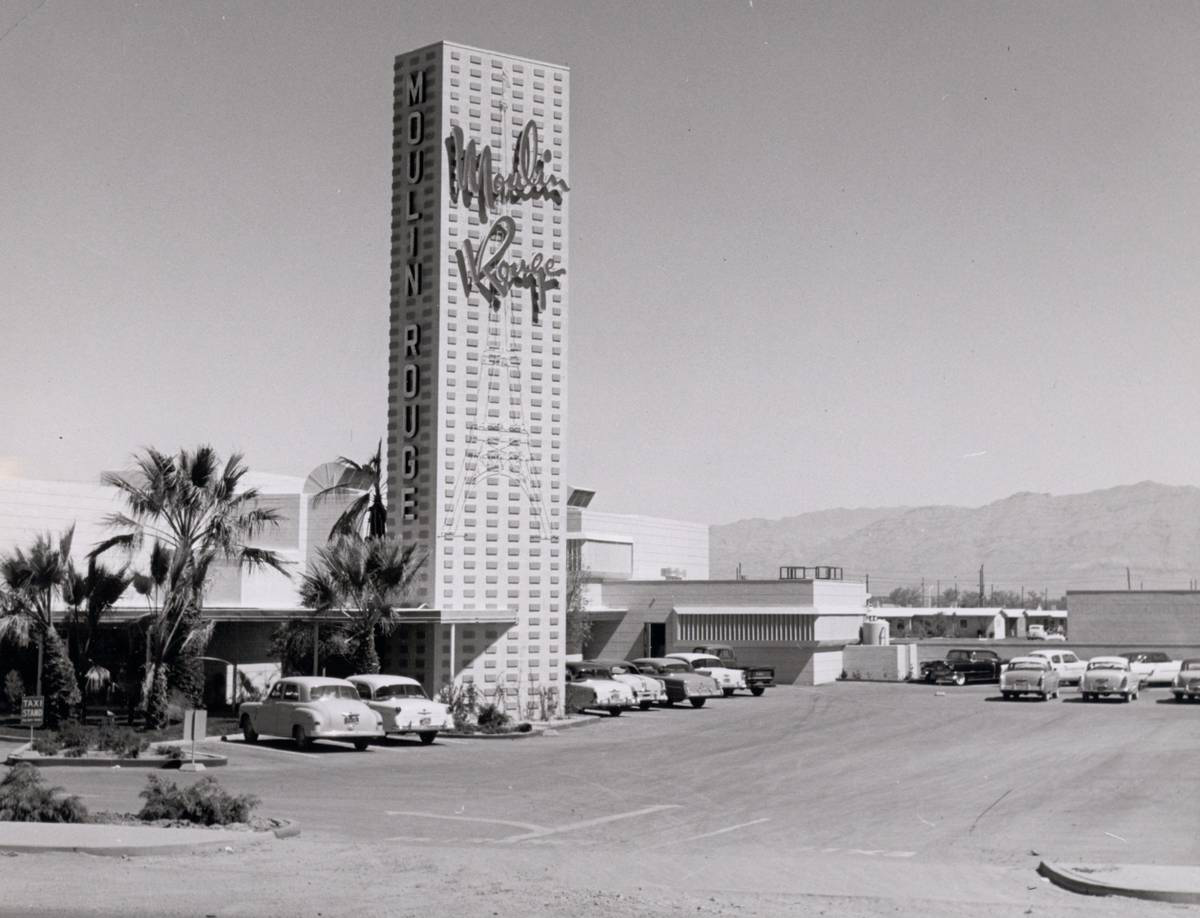
Today, the neighborhood where that hotel once stood is a testament to Las Vegas’ rich Black heritage. The region, established in 1954, was initially designated as Westside Park. It was planned and developed by Paul R. Williams, the first Black architect admitted to the American Institute of Architects. And with that vision, came community. The city’s first Black doctor, dentist, and leaders called the Westside home. The area even had its own version of The Strip to dine, party, and gamble known as “Jackson Street.”
Since desegregation in 1960, the entire city has evolved into a hub for Black communities to gather and celebrate; and the data proves it. The largest population growth in the past decade has been the 40% increase of Black residents calling Vegas home. But outside of the moving trucks, there are also plenty of Black people coming just to visit. As the world’s preeminent conference capital, there are a minimum of 30 different Black led or Black centric convenings each year in town. However, beyond the plenary sessions, luncheons, and event lanyards, there is endless entertainment to enjoy.
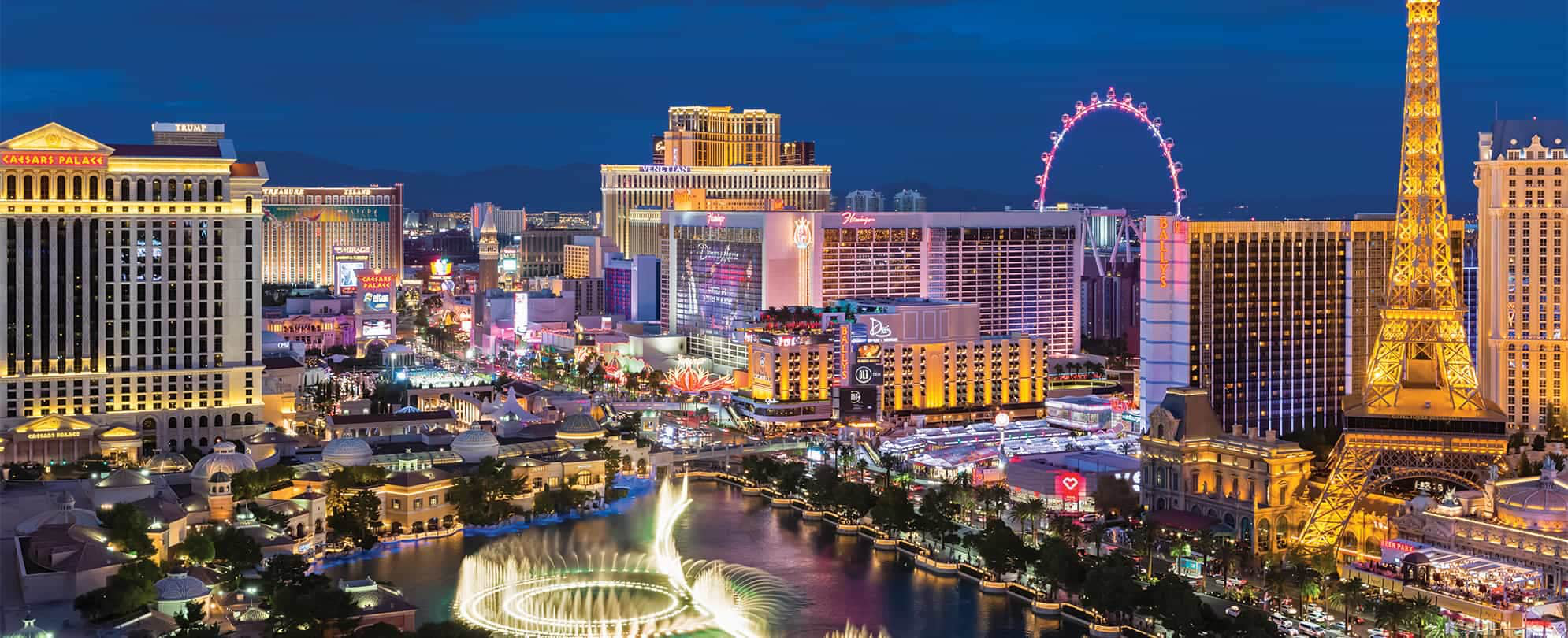
Black-owned gems like LaMarre Theater are vibrant venues for hundreds of concerts each year. If you crave an educational experience, the Neon Museum’s lobby was designed by the same Paul R. Williams who built the Westside and you can find amazing relics from the Moulin Rouge’s original neon sign there as well. The nightlife is similarly robust with Black artists and DJs flooding tourists with ample choices for entertainment. Whether you were considering seeing Usher in concert or enjoying the infinite number of nightclub performances dotting The Strip, it’s nearly impossible to keep track of the volume of spaces to party.
People often say that what happens in Vegas stays in Vegas–but when it comes to the Black people moving here, they are a perfect example of what and who is staying in Vegas. This city is a growing epicenter for Black commerce and events. We recommend everyone see for themselves.