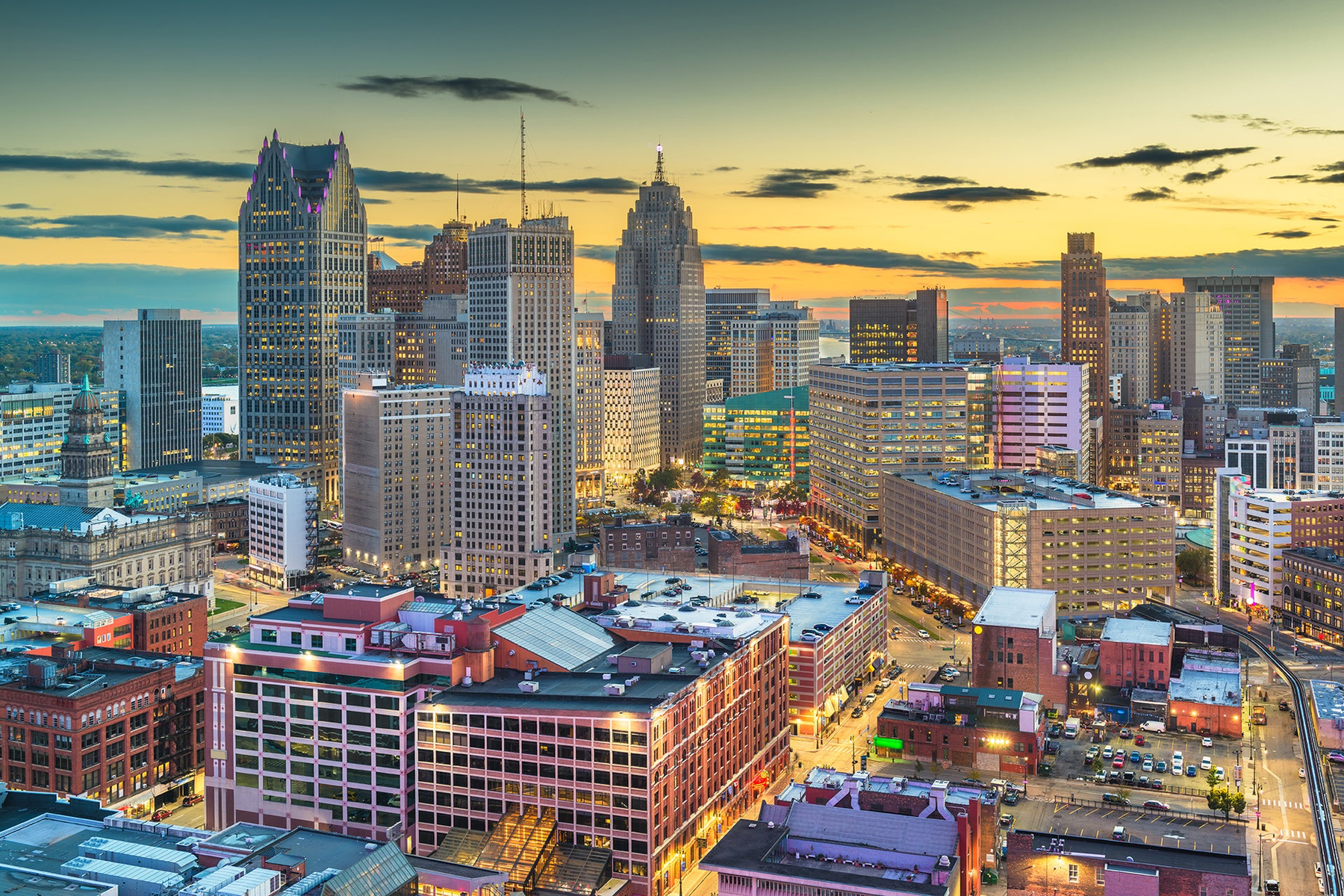
The Motor City
Detroit in Color
In the "Motor City," everyone knows the cars, but the Black community is the actual engine that’s kept this place running for over a century. If you’re looking for the soul of the city, you won’t find it in a factory; you’ll find it in the neighborhoods that refused to be paved over. Detroit has always been a place where innovation, grit, and self-determination were currency, and it’s no different today. If you’re not looking beyond downtown, you’re missing the true heartbeat of the 'D.'
The Backstory: More Than Just Motown
While the Motown sound is integral to the city's global legacy, the deepest roots of Black Detroit lie in a place you won't find on a current map: Black Bottom. During the Great Migration, the city's Black population skyrocketed from under 6,000 to over 120,000 in two decades. Many of these residents settled in Black Bottom and its commercial district, Paradise Valley, where over 300 Black-owned businesses were thriving by 1942.
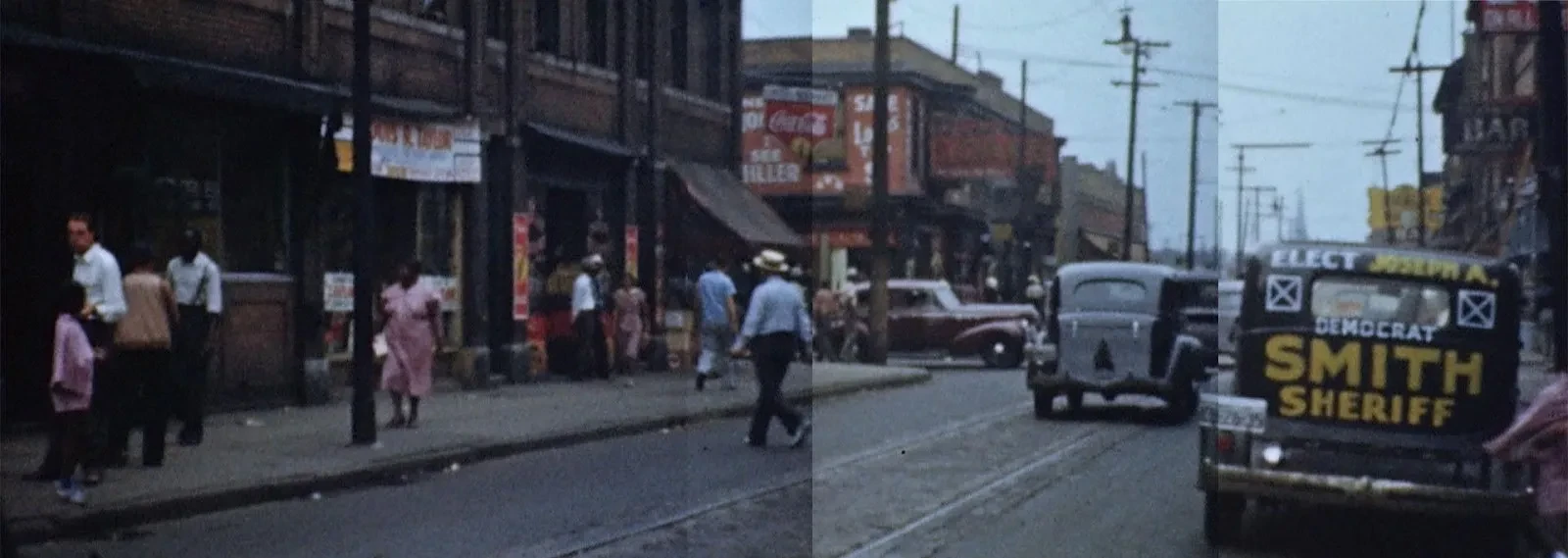
But here’s the history you need to know: the name "Black Bottom" actually came from the area’s rich, dark soil that French settlers farmed centuries ago, not the residents. This prosperous neighborhood was home to luminaries like Coleman A. Young, Detroit’s first Black mayor, and Ralph Bunche, the first African American to win a Nobel Peace Prize. Sadly, the neighborhood was displaced by mid-century "urban renewal," a process locals famously called “Negro removal,” a painful piece of the city's complex heritage.
Detroit has always been a refuge for Black people. Even today, you can visit dozens of locations of underground railroad stops across the city. And while the Motown sound is integral to the city's global legacy, the deepest roots of Black Detroit lie in a place you won't find on a current map: Black Bottom. During the Great Migration, the city's Black population skyrocketed from under 6,000 to over 120,000 in two decades. Many of these residents settled in Black Bottom and its commercial district, Paradise Valley, where over 300 Black-owned businesses were thriving by 1942.
But here’s the history you need to know: the name "Black Bottom" actually came from the area’s rich, dark soil that French settlers farmed centuries ago, not the residents. This prosperous neighborhood was home to luminaries like Coleman A. Young, Detroit’s first Black mayor, and Ralph Bunche, the first African American to win a Nobel Peace Prize. Sadly, the neighborhood was displaced by mid-century "urban renewal," a process locals famously called “Negro removal,” a painful piece of the city's complex heritage.
Events People Love & Must-See Attractions
When the weather breaks, the city really comes alive, and nothing embodies that spirit more than the African World Festival. Hosted annually in August by the Charles H. Wright Museum of African American History, this three-day celebration is where you’ll find African drumming, dance, poetry, and a marketplace full of ethnic food and hundreds of vendors. It’s the perfect time to visit The Wright, one of the nation's premier institutions dedicated to the African American experience, and then head over to the Motown Museum just down the street for a full dose of music history.